 by
by The Federal Board of Revenue (FBR) has recently announced a tax-free import policy for goods coming from China to Gilgit-Baltistan (GB). This decision aims to promote trade, reduce costs for local traders, and boost economic activity in the region. The policy allows duty-free imports through the Sost Customs Dry Port, ensuring that GB’s businesses benefit from lower operational expenses.
Key Features of the Policy
The main points of the new policy are:
- Tax Exemptions: Goods imported from China for use in GB are exempt from sales tax, income tax, and federal excise duty.
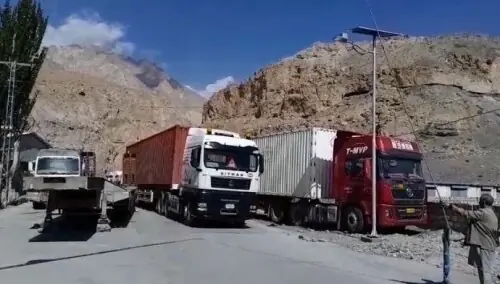
- Sost Dry Port Only: Imports must enter through the Sost Dry Port, the main trade gateway between Pakistan and China.
- Local Use Only: The exemption applies to goods intended for consumption within GB; any diversion to other regions will void the benefit.
- Digital Permits: Importers must obtain online authorization through the Customs Computerized Clearance System, approved by GB authorities.
- Quota Limit: Tax exemptions are capped annually at PKR 4 billion. Once the limit is reached, standard taxes apply.
These rules aim to prevent misuse while ensuring local traders fully benefit from the initiative.
Benefits of Tax-Free Imports
1. Support for Local Traders
The policy directly addresses the long-standing demands of GB traders, who had protested over high taxes on imported goods. By removing tax burdens, traders can:
- Reduce product costs
- Increase profit margins
- Offer competitive prices to local consumers
This encourages business growth and supports entrepreneurship in the region.
2. Boost to GB’s Economy
Lower import costs are expected to stimulate local markets by making goods more affordable. The policy also:
- Encourages new businesses to enter the market
- Promotes job creation in trade and logistics
- Strengthens regional economic development
3. Strengthened Pakistan-China Trade
GB plays a strategic role in the China-Pakistan Economic Corridor (CPEC). Tax-free imports improve trade efficiency along the Karakoram Highway, enhancing Pakistan-China trade relations and boosting commerce in northern Pakistan.
ALSO READ
Pakistani Rupee Strengthens Against US Dollar for 67 Consecutive Days
Compliance and Enforcement
To ensure proper implementation:
- Eligibility: Only GB-based traders or authorized firms qualify for exemptions.
- Monitoring: Customs authorities can revoke exemptions if goods are misdeclared or misused.
- Online Clearance: Every consignment requires digital approval before clearance.
- Quota Management: Exemptions are processed on a first-come, first-served basis until the annual quota is exhausted.
Strict enforcement safeguards government revenue and prevents diversion of tax-free goods.
Challenges and Considerations
While the policy is beneficial, its success depends on:
- Efficient digital infrastructure at Sost Dry Port
- Close coordination between federal and GB authorities
- Continuous monitoring to prevent misuse or smuggling
Long-term, this initiative could serve as a model for special trade incentives in other regions of Pakistan.
For official updates, visit the
FBR official website.
Conclusion
The FBR’s decision to allow tax-free imports from China to Gilgit-Baltistan is a significant step toward promoting trade, supporting local businesses, and strengthening economic ties with China. Proper implementation, compliance, and monitoring will be crucial to its success. This initiative demonstrates a balanced approach, benefiting both local traders and the national economy.