 by
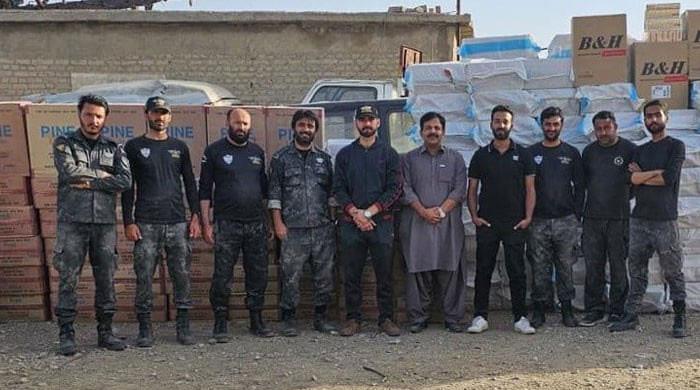
by In a significant anti-narcotics operation, Customs agents in Balochistan seized hashish valued at Rs. 272 million, marking a major breakthrough in the fight against drug trafficking in the province. This operation underscores the commitment of law enforcement agencies to disrupt illegal narcotics networks operating along Pakistan’s southwestern borders.
Details of the Seizure
The seizure took place in Gadani, Balochistan, where Customs officials intercepted a consignment of hashish weighing over 100 kilograms. The operation was intelligence-led, targeting a suspected smuggling route frequently used by organized drug trafficking networks. The intercepted drugs were reportedly destined for major urban markets, where illegal narcotics command high prices.
Following the seizure, Customs officials registered a formal case under relevant anti-smuggling and narcotics laws and initiated a detailed investigation to track the sources and routes of the smuggling operation. The operation highlights the effectiveness of intelligence-based actions in countering cross-border drug trafficking.
Balochistan’s Strategic Importance in Drug Trafficking
Balochistan, sharing borders with Afghanistan and Iran, serves as a critical transit corridor for narcotics entering Pakistan and international markets. Its rugged terrain, sparse population, and limited infrastructure make it a challenging area for law enforcement but also a prime route for smugglers.
Authorities, including Customs, Anti-Narcotics Force (ANF), Frontier Corps (FC), and the Pakistan Navy, have increased patrols, surveillance, and intelligence operations to intercept contraband before it reaches urban centers. Mobile checkpoints, joint raids, and close monitoring of cargo transport are key components of this strategy.
Previous Seizures Highlight Growing Enforcement Efforts
The recent seizure of hashish worth Rs. 272 million is part of a broader pattern of increased enforcement actions in Balochistan:
- Earlier operations led to the interception of significant consignments of hashish, concealed in vehicles or cargo, totaling hundreds of kilograms and valued at hundreds of millions of rupees.
- These operations involved intelligence-sharing between Customs and other agencies, resulting in the arrest of individuals involved and confiscation of vehicles used in smuggling attempts.
Such consistent enforcement efforts show the authorities’ determination to disrupt drug trafficking networks and reduce the availability of illicit drugs in the country.
ALSO READ
Dedicated Banking Desks Introduced to Streamline Services for Pakistan’s IT Export Sector
Impact on Society and the Economy
Drug trafficking has severe social and economic consequences. Narcotics like hashish contribute to addiction, crime, and loss of productivity, which harm families and communities. Economically, smuggled drugs bypass taxes and duties, depriving the government of revenue and fueling illegal markets.
By intercepting high-value consignments, Customs agents not only protect public health but also safeguard economic interests, ensuring that illicit activities do not undermine formal trade and revenue collection.
Law Enforcement Coordination
The success of this operation was due to coordination among multiple enforcement agencies. Customs officials, intelligence units, and local law enforcement worked together to ensure timely interception. Information-sharing, rapid response, and strategic deployment of personnel were key factors in the operation’s success.
Officials have emphasized that such cooperation is essential for tackling sophisticated smuggling networks that use multiple routes and advanced concealment methods to evade detection.
Future Plans and Preventive Measures
Authorities plan to maintain high vigilance, particularly along known smuggling routes, and expand intelligence-gathering efforts. Measures include:
- Enhanced surveillance in remote areas prone to smuggling.
- Use of modern detection equipment to identify concealed narcotics.
- Continuous training and capacity-building of enforcement personnel.
- Engaging local communities to report suspicious activities, creating a network of public awareness.
These proactive measures aim to make Balochistan a less favorable route for drug traffickers and strengthen national anti-narcotics efforts.
References
Conclusion
The seizure of hashish worth Rs. 272 million in Balochistan represents a major success in Pakistan’s ongoing fight against drug trafficking. Through intelligence-led operations, law enforcement coordination, and preventive measures, authorities continue to disrupt smuggling networks and protect public health, security, and economic stability.
Such efforts highlight the critical role of Customs and other enforcement agencies in maintaining law and order, deterring criminal activity, and ensuring that illegal drugs do not reach society. Continued vigilance, public cooperation, and strategic operations remain essential to sustain and build on these successes.