 by
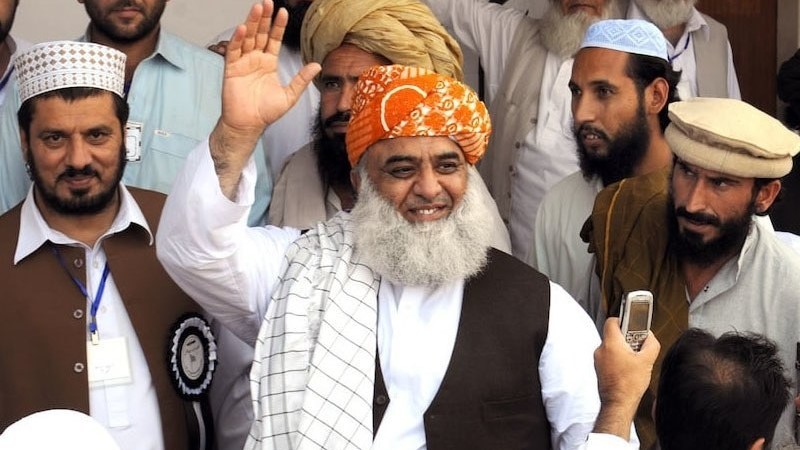
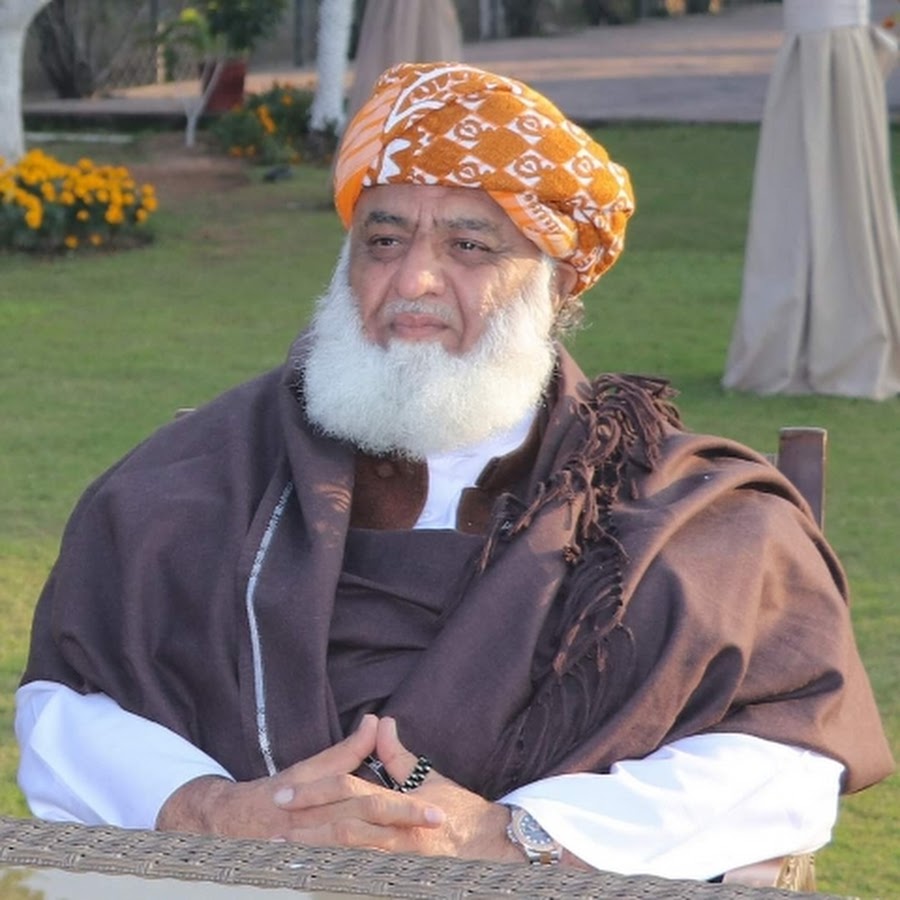
by In December 2025, Maulana Fazal-ur-Rehman, the veteran political and religious leader of Pakistan, was officially awarded an honorary doctorate degree. From that day onward, he is formally addressed as Dr. Maulana Fazal-ur-Rehman. This recognition highlights his decades-long contributions to politics, religion, and social leadership in the country.
The Honorary Doctorate Ceremony
The honorary doctorate was conferred by the Governor of Sindh in a formal ceremony, acknowledging his efforts in promoting political dialogue, unity among political parties, and representing Pakistan in regional and religious discussions. The title not only reflects his political stature but also honors his role as a religious scholar and thought leader in Pakistani society.
During the ceremony, it was emphasized that the honorary doctorate symbolizes recognition of his lifelong work in guiding public discourse, fostering community values, and influencing national decision-making processes. This prestigious title is expected to further enhance his public and political image.
Early Life and Education
Dr. Maulana Fazal-ur-Rehman was born in 1953 in Dera Ismail Khan, Khyber Pakhtunkhwa. Coming from a family of religious scholars and political figures, he was deeply influenced by his father’s work in politics and Islamic scholarship. He pursued higher education in Pakistan and abroad, focusing on Islamic studies, political science, and law.
His early years of religious education laid a strong foundation for his later leadership roles in politics. He has always combined academic knowledge with practical leadership, which has been a hallmark of his career.
Political Career and Leadership
Dr. Maulana Fazal-ur-Rehman is the chief of Jamiat Ulema-e-Islam-Fazl (JUI-F), one of Pakistan’s prominent religious political parties. Over the years, he has played a pivotal role in national politics, serving multiple terms as a member of the National Assembly and as Leader of the Opposition.
ALSO READ
ICLS New Campus Inauguration Marks Expansion in Legal Education
He has actively participated in forming political alliances, including leading efforts to unite opposition parties for democratic reforms and to advocate for electoral fairness. His party has focused on issues such as:
- Upholding Islamic values in governance
- Advocating for provincial autonomy
- Promoting constitutional rights
- Ensuring social justice and political reforms
Dr. Fazal-ur-Rehman’s political influence extends beyond his party, as he is known for engaging with other leaders to address national crises, mediate political conflicts, and ensure dialogue among different factions.
Recent Political Engagements
Even in 2025, Dr. Maulana Fazal-ur-Rehman remains a significant force in Pakistan’s political scene. He has taken strong positions on legislation that impacts religious principles, constitutional rights, and public welfare.
Some of his recent political actions include:
- Speaking out against laws that he believes conflict with Islamic teachings or the Constitution
- Advocating for reforms in the electoral process to ensure fair and transparent elections
- Leading public demonstrations to raise awareness on social and political issues
- Maintaining active engagement with government officials on national security, education, and social policy
His leadership style blends religious guidance with pragmatic political strategies, which has earned him respect among followers and political allies alike.
Why the Honorary Doctorate Matters
The conferment of the honorary doctorate is significant for multiple reasons:
- Recognition of Leadership: It acknowledges decades of Dr. Fazal-ur-Rehman’s contributions to politics, religion, and society.
- Symbol of Authority: The title enhances his standing as a scholar and a public leader, merging religious authority with political influence.
- Public Influence: Being officially recognized as “Dr.” increases his visibility and credibility among supporters and the wider public.
- Encouraging Political Engagement: The recognition serves as motivation for other leaders to contribute positively to social and political development.
This honorary degree is more than a ceremonial title; it reinforces his role in shaping public thought and national policy discussions.
In December 2025, Dr. Maulana Fazal‑ur‑Rehman was awarded an honorary doctorate by the Governor of Sindh, as officially reported on the Sindh Information Department website.
Challenges and Criticisms
While widely celebrated by supporters, some critics argue that honorary doctorates should be reserved for academic achievement rather than symbolic recognition. Despite this, the title reflects societal appreciation for his work in politics, religion, and leadership, highlighting the intersection of public service and scholarship.
Legacy and Future Prospects
Dr. Maulana Fazal-ur-Rehman’s career represents a unique blend of religious scholarship and political activism. From his early years studying Islamic teachings to leading a national political party, he has continuously shaped Pakistan’s political landscape.
The honorary doctorate marks a new chapter in his legacy, recognizing his efforts to promote unity, political engagement, and public service. As Pakistan continues to navigate political challenges, Dr. Maulana Fazal-ur-Rehman’s guidance and influence will remain significant, both in Parliament and in shaping public opinion.
Conclusion
The conferral of an honorary doctorate to Dr. Maulana Fazal-ur-Rehman is a testament to his lifelong dedication to politics, religion, and society. It underscores his role as a guiding figure in Pakistan, bridging the worlds of religious scholarship and political leadership. With this recognition, he continues to play a central role in shaping national discourse, influencing policies, and inspiring future generations of political and religious leaders.
Dr. Maulana Fazal-ur-Rehman’s new title not only honors his past contributions but also positions him as a key figure in Pakistan’s evolving political and social landscape.