 by
by Prices of Essential Medical Equipment Skyrocket
Table of Contents
- Introduction
- What’s Driving the Price Surge?
- Real-World Impact on Healthcare
- Case Example: Pakistan
- The Global Context
- Solutions and the Way Forward
- Conclusion
1. Introduction
Essential medical equipment, ranging from basic diagnostic tools to life-saving machines, is a critical part of healthcare infrastructure. In recent times, the cost of this equipment has seen a significant and alarming rise. This trend is affecting not just hospitals and clinics, but also individual patients who depend on home-use medical devices.
The issue has become particularly urgent in developing countries, where access to affordable healthcare is already limited. Soaring prices are creating barriers to care and putting additional strain on already overburdened systems.
2. What’s Driving the Price Surge?
Import Dependence
Many countries rely heavily on imported medical equipment. When the local currency weakens against foreign currencies, the cost of these imports naturally increases. This is especially true for countries that import up to 90% or more of their medical supplies.
Currency Fluctuations
A depreciating national currency means higher costs for anything priced in dollars or euros. Since most medical equipment is bought internationally, even a small shift in exchange rates can have a large impact on pricing.
Supply Chain Disruptions
Global supply chains have not fully recovered from the COVID-19 pandemic. Disruptions in shipping, port operations, and raw material availability have caused delays and cost increases across the board.
ALSO READ Dubai Launches AI Virtual ICU with 5 Key Benefits
Rising Raw Material and Manufacturing Costs
The materials used to produce medical devices—plastics, metals, semiconductors—have all become more expensive. Increased labor and energy costs in manufacturing countries also contribute to higher final prices.
Tax and Regulatory Changes
In some countries, changes in tax policy have removed exemptions or added new tariffs on medical equipment. Even a 10–15% increase in tax can push prices beyond the reach of average consumers.
3. Real-World Impact on Healthcare
Patients
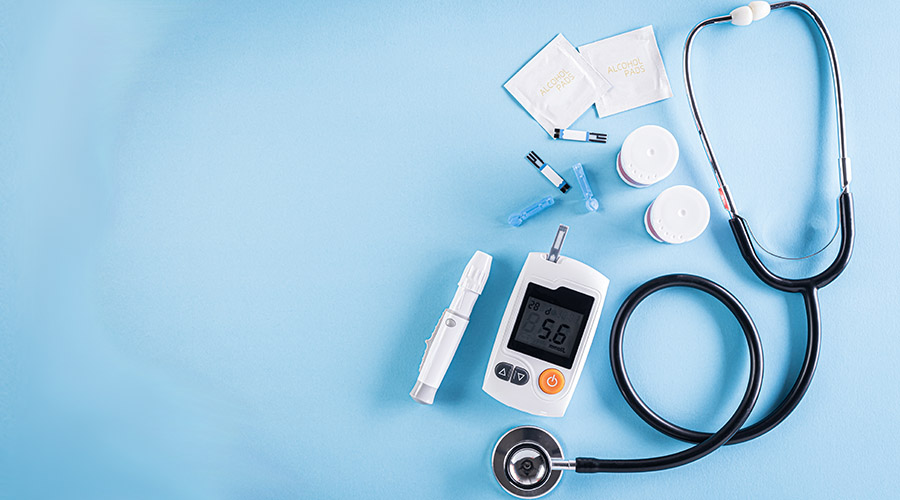
Individuals now face significantly higher out-of-pocket costs for essential tools like glucometers, blood pressure monitors, wheelchairs, and crutches. This affects patients with chronic conditions the most, as they need regular monitoring and equipment.
Some are delaying treatment or avoiding diagnostic tests due to cost, leading to late detection of diseases and more complicated health outcomes.
Healthcare Providers
Small clinics and diagnostic centers struggle to afford the newer, more expensive machines. This limits their ability to deliver quality services, especially in rural or low-income areas.
Health Systems
Public health systems face mounting pressure as more people turn to them due to unaffordable private services. Meanwhile, hospitals themselves face rising operational costs, with fewer resources to upgrade or maintain essential equipment.

4. Case Example: Pakistan
In Pakistan, the prices of essential medical equipment have sharply increased:
- Wheelchairs have nearly doubled in price.
- Crutches now cost two to three times more.
- Blood pressure monitors and glucometers have seen price jumps of up to 150%.
- Stethoscopes, once easily affordable, are now priced beyond the reach of many medical students and home users.
- Diagnostic kits for liver, kidney, and thyroid function have become significantly more expensive.
This crisis is driven by a mix of currency devaluation, increased import duties, inflation, and a lack of local manufacturing capacity. The result: delayed care, fewer tests, and lower-quality health outcomes for the general population.
Essential Medical Equipment Prices Skyrocket 5 Shocking Reasons Behind the Surge
5. The Global Context
Other developing countries are experiencing similar problems. In South Asia, Africa, and Latin America, the combination of weak currencies, rising freight costs, and tax burdens has led to price increases across the board.
Even developed nations are feeling the pressure—especially in terms of advanced, high-tech equipment—although their insurance and subsidy systems offer more protection to consumers.
Globally, there is also a growing concern over inflated prices and lack of transparency in medical equipment pricing, especially for imported products.
6. Solutions and the Way Forward
Tax Relief
Governments can consider removing or reducing taxes and import duties on essential medical devices to bring down prices.
Local Manufacturing
Encouraging domestic production of commonly used devices can reduce costs and reliance on foreign suppliers. This also supports local industry and employment.
Transparent Pricing
Regulations can be put in place to ensure fair pricing and prevent overcharging, especially on imported goods.
Bulk Purchasing
Hospitals and clinics can collaborate on bulk purchases to negotiate better prices from suppliers.
Preventive Health Investment
By promoting early diagnosis and disease prevention, health systems can reduce the long-term need for expensive treatments and equipment.
7. Conclusion
The rising cost of essential medical equipment is a major threat to global healthcare equity. It limits access to necessary tools and services, affects patient outcomes, and increases the burden on already stretched health systems. Urgent and coordinated action is needed to address the root causes of the crisis. Through a mix of policy reforms, local innovation, and better regulation, countries can work toward ensuring that healthcare remains affordable, effective, and accessible for all.