 by
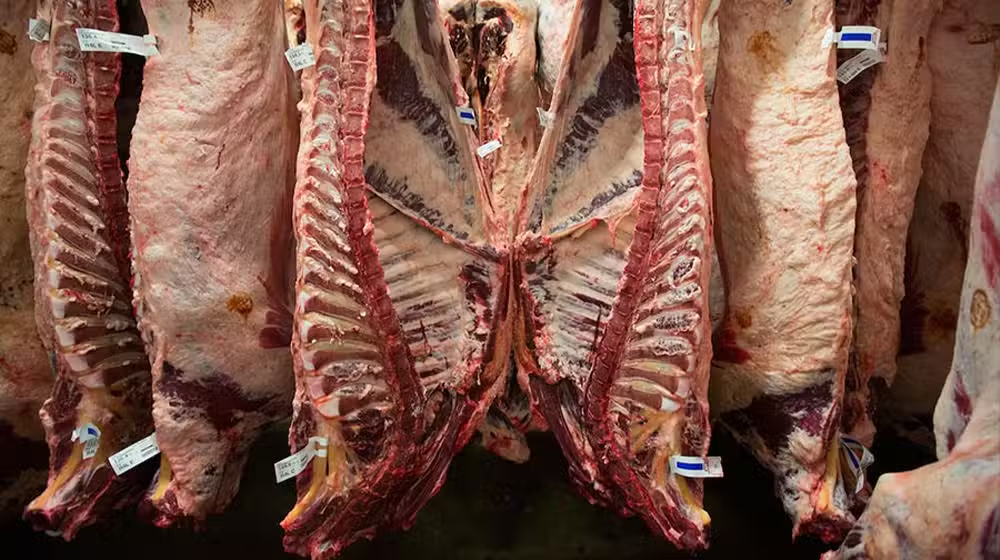
by Pakistan has officially started exporting Halal meat to Central Asian countries, marking a significant milestone in the nation’s trade and agriculture sector. This development reflects Pakistan’s growing reputation as a reliable supplier of high-quality Halal products and is expected to strengthen trade relations with countries in Central Asia. The initiative also opens new economic opportunities for livestock farmers, exporters, and businesses involved in the meat industry.
Pakistan’s Halal Meat Exports: A Growing Industry
Pakistan is one of the largest producers of livestock in the region, with a vast network of farms raising cattle, sheep, goats, and poultry. The country’s Halal meat industry adheres strictly to Islamic guidelines, ensuring that all livestock is slaughtered and processed in accordance with Halal standards. This makes Pakistani meat highly sought after in Muslim-majority countries, particularly in Central Asia, where demand for Halal-certified products is rising.
The export of Halal meat is expected to enhance Pakistan’s position in the international Halal market while providing an additional revenue stream for farmers and exporters. With improved quality control and international certifications, Pakistani meat can compete effectively with other regional suppliers.
Key Destinations in Central Asia
Central Asian countries, including Kazakhstan, Uzbekistan, Kyrgyzstan, and Tajikistan, have shown increasing demand for Halal meat products. These countries rely on imports to meet domestic consumption needs and prefer high-quality Halal-certified products. Pakistan’s entry into this market is expected to fill supply gaps, promote food security, and foster stronger trade partnerships with the region.
ALSO READ
Zafar Masud Elected PBA Chairman as 16-Member Executive Committee is Formed
Benefits for Pakistan’s Economy
The export of Halal meat to Central Asia has several economic advantages:
- Increased Foreign Exchange Earnings: Expanding meat exports helps Pakistan earn valuable foreign currency.
- Job Creation: The meat processing and export sector generates employment for farmers, butchers, transporters, and logistics companies.
- Boost to Livestock Industry: Higher demand for Halal meat encourages investment in livestock breeding, farm management, and feed production.
- Strengthened Trade Relations: Exporting to Central Asia improves bilateral trade, fostering economic collaboration between Pakistan and importing countries.
These benefits contribute to overall economic growth, particularly in rural areas where livestock farming is a primary source of income.
Ensuring Halal Standards
Pakistan’s Halal meat export industry is regulated by strict guidelines to ensure quality and compliance. Key measures include:
- Halal Certification: Only slaughterhouses certified by recognized authorities are allowed to export.
- Hygiene and Sanitation: Processing facilities maintain high standards of cleanliness to ensure food safety.
- Cold Chain Management: Meat is stored and transported under strict temperature-controlled conditions to preserve freshness.
- International Compliance: Exporters follow standards required by importing countries, including labeling, packaging, and traceability.
These measures ensure that Pakistani Halal meat meets international standards, increasing consumer confidence and market acceptance.
Opportunities for Local Farmers and Exporters
The expansion into Central Asian markets creates new opportunities for farmers and exporters in Pakistan:
- Farmers can increase livestock production to meet export demand.
- Exporters can establish partnerships with distributors and wholesalers in Central Asia.
- Small and medium enterprises (SMEs) in the meat processing sector can grow by adopting modern technology and practices.
Experts suggest that strategic planning, quality control, and efficient supply chains will be key to maximizing the benefits of these exports.
For official Halal meat export updates, visit the Pakistan Halal Authority official website.
Government Support and Initiatives
The Pakistani government has played a crucial role in promoting Halal meat exports. Measures include:
- Facilitating export procedures and documentation for meat exporters.
- Providing financial and technical support to modernize slaughterhouses and processing units.
- Establishing trade agreements with Central Asian countries to ease import restrictions and tariffs.
- Encouraging investment in livestock infrastructure to improve production quality and capacity.
These initiatives are designed to strengthen Pakistan’s competitive edge in the global Halal meat market.
Challenges and the Way Forward
While the potential is significant, exporters face challenges such as:
- Maintaining consistent quality and supply to meet international demand.
- Ensuring logistics and cold chain efficiency to prevent spoilage.
- Complying with import regulations and standards of different countries.
By addressing these challenges, Pakistan can position itself as a reliable and high-quality Halal meat supplier to Central Asia and other international markets.
Conclusion
The start of Halal meat exports to Central Asian countries marks a major milestone for Pakistan’s trade and agricultural sector. This development promises economic growth, job creation, and strengthened trade relations, while showcasing Pakistan’s potential as a leading supplier of high-quality Halal products. With proper government support, modernized facilities, and adherence to international standards, Pakistan’s Halal meat industry is poised for long-term success in global markets.