 by
by Table of Contents
- Introduction
- Current Matric Exam System in Punjab
- Why the Change Is Being Considered
- What the Proposed New Schedule Looks Like
- Expected Benefits for Students and Parents
- Challenges and Concerns
- Expert Opinions and Public Reaction
- What Students Should Do Right Now
- Conclusion
1. Introduction
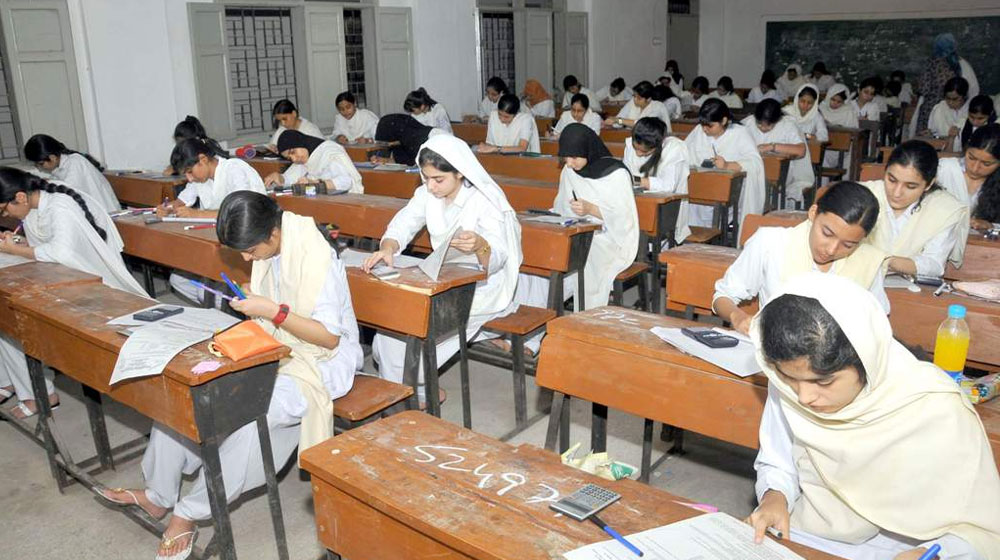
Punjab is planning a major change in the matric exam schedule, a shift that could impact millions of students across the province. This proposed move aims to make the examination process more student-friendly, reduce stress, and improve the overall academic experience. While the idea is still under review, it has already sparked considerable discussion among students, teachers, and parents.
2. Current Matric Exam System in Punjab
Traditionally, matric exams in Punjab begin in early March. The examination cycle has remained mostly unchanged for years, with both Class 9 and Class 10 students appearing in written and practical papers during the spring season.
Over time, adjustments have been made to paper structures, exam timings, and marking systems to improve fairness. However, the main timetable has largely stayed the same — until now.
ALSO READ
Senate Panel Recommends Changes to CSS Exam
The new proposal suggests a much bigger shift, one that would change the academic year’s rhythm and potentially reshape how students prepare for one of the most important milestones in their educational journey.
3. Why the Change Is Being Considered
The main reason behind this proposed adjustment is the challenge students face when exams overlap with the holy month of Ramadan.
Fasting teenagers often struggle with:
- Low energy levels
- Irregular sleep patterns
- Difficulty concentrating
- Reduced study hours
- Pressure to balance religious obligations and exam preparation
Teachers and parents have repeatedly observed that students’ performance suffers during this period. Many students report fatigue, dehydration, and stress when exams and fasting occur at the same time.
The provincial education authorities began re-evaluating whether early March is truly the best time for matric exams — especially when Ramadan falls in late February or March.
The idea of moving matric exams after Ramadan and Eid aims to create a more comfortable and fair testing environment for all students.
4. What the Proposed New Schedule Looks Like
According to the suggestion under review, matric exams would be shifted to a time after Ramadan and Eid-ul-Fitr. This means that instead of exams starting in early March, they could begin several weeks later.
This shift would place exams in a period when:
- Students are not fasting
- Daily routines return to normal
- Sleep schedules are stable
- Families have completed Eid festivities
- Study momentum can be regained
It is important to note that this is only a proposal right now, and the final decision is still pending. However, the strong support from education stakeholders suggests that the proposal is being taken seriously.
5. Expected Benefits for Students and Parents
If the change is implemented, several positive outcomes are expected:
Reduced Stress
Students will not have to combine the pressure of final exams with fasting, which often leads to fatigue and poor concentration.
Improved Academic Performance
Well-rested and healthy students generally perform better. Exams held after Ramadan could lead to higher scores and stronger results.
For official updates visit the Punjab Education Department website here: https://punjab.gov.pk/education
Better Study Schedules
Students will have more predictable routines, allowing them to follow healthier revision patterns.
Less Anxiety for Parents
Parents no longer have to worry about their children facing high-stakes exams while fasting, especially during long warm days.
Fairness and Equality
Students from all backgrounds would be tested in similar physical and mental conditions, resulting in a fairer evaluation system.
6. Challenges and Concerns
Despite the potential benefits, there are several challenges associated with moving the exam schedule:
Academic Year Delays
Pushing matric exams forward could delay:
- Paper checking
- Result announcements
- School admissions
- Start of the next academic session
Crowded Academic Calendar
Intermediate exams might also need rescheduling to maintain proper yearly flow, which could cause logistical pressure on educational boards.
Practical Exam Issues
Science practicals require labs, equipment, and staff availability. A shift could overload resources if not planned properly.
Uncertainty for Students
Until the final decision is announced, students may feel confused about how to plan their study timetable.
These concerns highlight the importance of careful planning before making any final changes.
7. Expert Opinions and Public Reaction
Education experts generally support the idea, noting that exam schedules should prioritize student well-being. Many teachers have stated that conducting exams during Ramadan results in lower attendance and weaker performance.
Parents, too, have responded positively, expressing relief that authorities are considering students’ physical and mental health.
Students themselves are hopeful. Many feel the change would help them prepare more effectively and reduce pressure during an already demanding period.
8. What Students Should Do Right Now
While the proposal is under review, students should remain focused and prepared. Here are some practical tips:
- Continue studying according to the current exam schedule unless an official change is announced.
- Stay updated by checking notifications from your educational board or school.
- Plan a flexible study routine that can adjust to an earlier or later exam date.
- Make strong notes and revision plans so that you can adapt quickly.
- Avoid relying on rumours and only trust official announcements.
Being prepared for both possibilities is the smartest approach.
9. Conclusion
Punjab’s consideration of a new matric exam schedule marks a significant step toward making the examination system more student-friendly. Moving exams to a period after Ramadan could reduce stress, improve performance, and create a fairer testing environment.
However, such a shift also comes with challenges, particularly related to the academic calendar. A balanced, well-coordinated decision will be essential to ensure that the benefits outweigh the complications.
Until the final decision is announced, students should stay focused, stay organized, and keep preparing with confidence.