
 by
by Table of Contents
- Introduction
- What the Senate-Approved Bill Is About
- Why This Bill Is Important for Students
- Key Objectives of Reproductive Health Education
- Subjects Included in the New Curriculum
- Age-Wise Learning Structure
- Role of Teachers and Educational Institutions
- Addressing Public Concerns and Sensitivities
- Political and Public Response
- Expected Impact on Students and Society
- How This Bill Aligns with Global Education Standards
- Challenges in Implementation
- Government’s Implementation Strategy
- Long-Term Benefits of the New Curriculum
- Final Thoughts
- SEO Keywords
Introduction
In a major development for the education sector, the Senate has approved a bill to include reproductive health education in the national curriculum. The decision is being seen as a progressive step toward improving student awareness, health literacy, and responsible decision-making.
Education experts believe this move will bridge critical knowledge gaps and help young people understand physical, emotional, and social health issues in a structured and responsible way.
What the Senate-Approved Bill Is About
The newly approved bill aims to formally introduce reproductive health education in schools as part of the standard curriculum. The focus is on providing scientifically accurate, age-appropriate, and culturally sensitive information to students.
Lawmakers clarified that the bill is centered on education, prevention, and awareness, not on promoting controversial content.
Why This Bill Is Important for Students
Many students rely on social media, peers, or unreliable online sources for health-related information. This often leads to misinformation, confusion, and unhealthy practices.
By introducing reproductive health education at the school level, students will gain:
- Accurate knowledge
- Better understanding of their bodies
- Awareness of personal health and hygiene
- Confidence to ask questions and seek help
Education experts agree that early awareness leads to healthier choices later in life.
Key Objectives of Reproductive Health Education
The bill outlines clear goals to ensure the program remains educational and beneficial.
Main objectives include:
- Promoting student health awareness
- Preventing misinformation
- Encouraging respect and responsibility
- Supporting mental and emotional well-being
- Reducing long-term health risks
These objectives align with modern education and public health priorities.
Subjects Included in the New Curriculum
The curriculum will cover a wide range of topics designed for student understanding and safety.
Core subjects include:
- Physical development and body awareness
- Personal hygiene and self-care
- Emotional health and well-being
- Healthy relationships and respect
- Basic reproductive health concepts
Authorities emphasized that content will be non-explicit and age-appropriate.
Age-Wise Learning Structure
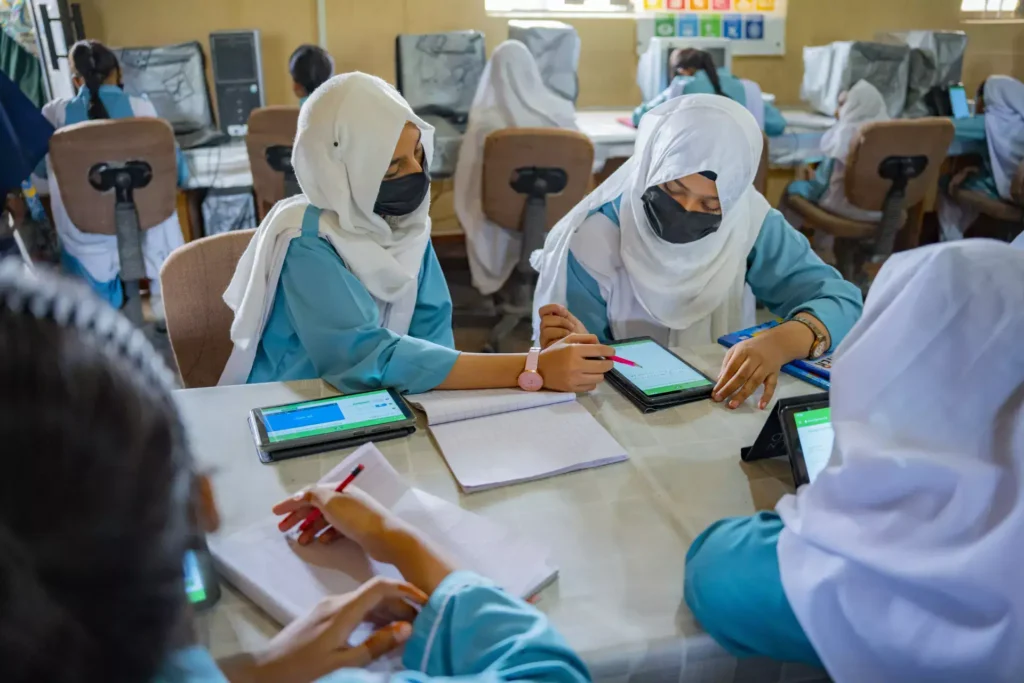
One of the strongest features of the bill is its age-wise curriculum framework.
- Primary level: Basic body awareness and hygiene
- Middle level: Emotional changes and health habits
- Secondary level: Detailed reproductive health education
This gradual learning process ensures students are not overwhelmed and can understand concepts at the right stage.
Role of Teachers and Educational Institutions
Teachers will be the backbone of this initiative. The bill requires:
- Specialized teacher training programs
- Certified instructors for health education
- Updated teaching materials
Schools will also be responsible for creating a safe and respectful learning environment where students feel comfortable participating.
Addressing Public Concerns and Sensitivities
The bill acknowledges cultural, religious, and social sensitivities surrounding reproductive health topics.
To address this:
- Curriculum content will be carefully reviewed
- Parents will be informed about learning objectives
- Teaching methods will respect cultural values
Officials stress that education and values can coexist without conflict.
Political and Public Response
The Senate’s decision has sparked nationwide debate.
Supporters say the bill is long overdue and essential for modern education.
Critics urge cautious implementation and stronger parental involvement.
The government has assured transparency and dialogue with all stakeholders.
Expected Impact on Students and Society
Experts predict positive outcomes once the curriculum is fully implemented.
Expected benefits include:
- Improved student health awareness
- Reduced stigma around health discussions
- Better decision-making skills
- Stronger public health outcomes
Educated students are more likely to grow into responsible adults.
ALSO READ
Teachers Call for Extension of Winter Holidays Amid Health and Safety Concerns
How This Bill Aligns with Global Education Standards
Many countries have already integrated reproductive health education into their school systems. Studies show that such programs:
- Reduce health risks
- Improve youth awareness
- Promote responsible behavior
The Senate-approved bill brings the education system closer to international best practices.
Challenges in Implementation
Despite its benefits, the bill may face challenges such as:
- Shortage of trained teachers
- Resistance from certain groups
- Resource and funding limitations
Authorities have acknowledged these concerns and plan to address them through phased implementation.
Government’s Implementation Strategy
After Senate approval, the education ministry will:
- Finalize curriculum guidelines
- Launch teacher training programs
- Monitor progress through review committees
A gradual rollout is expected to ensure quality and acceptance.
Long-Term Benefits of the New Curriculum
In the long run, reproductive health education can:
- Reduce healthcare costs
- Improve family health outcomes
- Create a more informed society
Education today lays the foundation for a healthier future.
According to the Government of Pakistan , the education sector is undergoing major curriculum reforms.
Final Thoughts
The Senate’s approval of the reproductive health education bill marks a turning point in education reform. By prioritizing awareness, prevention, and student well-being, the initiative has the potential to deliver long-lasting benefits for individuals and society.
With responsible implementation and continuous evaluation, this reform could redefine health education for future generations.